How the Luxury Resale Market Changed in 2026
May
The luxury resale market experienced major transformation in 2026 as consumer behavior, digital technology, and investment-driven shopping continued reshaping the fashion industry. Once considered a niche segment, luxury resale has now become a dominant force within global fashion commerce.
From rising demand for vintage designer bags to the growing influence of sustainability and authentication technology, the resale landscape evolved rapidly throughout the year. Here is how the luxury resale market changed in 2026 and what these shifts mean for buyers, sellers, and collectors.
The Luxury Resale Industry Reached New Heights
In 2026, the global luxury resale market expanded faster than ever before. Consumers increasingly turned to secondhand luxury products as a smarter and more sustainable alternative to buying new items at retail prices.
Several factors fueled this growth:
- Higher retail prices from luxury brands
- Growing interest in investment fashion
- Increased trust in authentication services
- Rising demand for rare and discontinued pieces
- Greater awareness of sustainable shopping
Luxury handbags, watches, jewelry, and designer accessories remained the strongest-performing categories in the resale sector.
Investment Buying Became Mainstream
One of the biggest shifts in 2026 was the rise of investment-focused luxury shopping. Buyers were no longer purchasing designer bags purely for style — many viewed them as long-term assets.
Popular investment bags included:
- Hermès Birkin
- Hermès Kelly
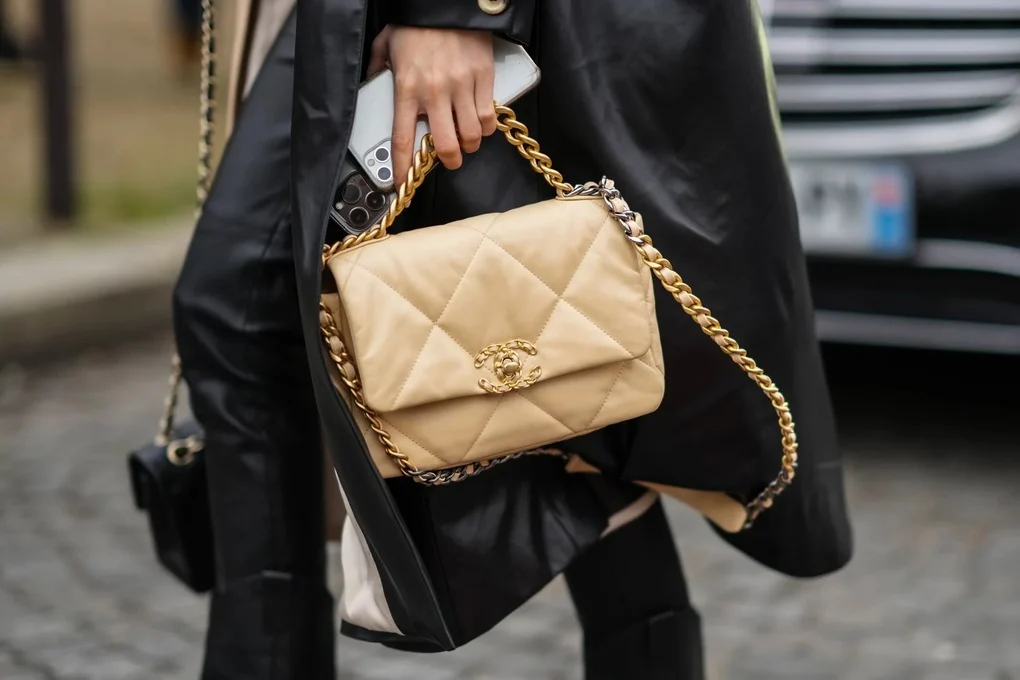
- Chanel Classic Flap
- Dior Lady Dior
- Louis Vuitton limited editions
Collectors paid close attention to:
- Historical resale performance
- Limited production releases
- Market scarcity
- Brand price increases
- Condition and rarity
This investment mindset significantly increased competition for iconic luxury pieces.
Vintage Luxury Became More Valuable
Vintage and archive fashion reached new levels of popularity in 2026. Consumers increasingly preferred unique, timeless items over mass-produced seasonal collections.
Vintage trends that dominated the market included:
- Early 2000s shoulder bags
- Archive runway pieces
- Monogram canvas collections
- Rare colorways
- Discontinued luxury models
Collectors appreciated the exclusivity and storytelling behind vintage fashion, while younger consumers embraced retro aesthetics influenced by social media trends.
Authentication Technology Improved Dramatically
As resale activity increased, authentication became one of the most important areas of innovation within the luxury market.
Resale platforms invested heavily in:
- AI-assisted authentication tools
- Digital product verification
- Expert inspection teams
- Blockchain ownership tracking
- Advanced counterfeit detection systems
Improved authentication technology helped build consumer confidence and reduced concerns surrounding fake luxury products.
Sustainability Became a Major Purchasing Factor
Sustainability continued influencing consumer decisions throughout 2026. More shoppers embraced circular fashion by purchasing pre-owned luxury products instead of buying new fast-fashion items.
Luxury resale appealed to environmentally conscious consumers because it:
- Extended product life cycles
- Reduced fashion waste
- Encouraged responsible consumption
- Supported circular economy practices
Many luxury buyers now see resale shopping as both financially smart and environmentally responsible.
Social Media Continued Driving Market Demand
Platforms like TikTok, Instagram, and Pinterest played a massive role in shaping luxury resale trends in 2026.
Social media influenced:
- Trending bag styles
- Celebrity-inspired fashion
- Viral vintage pieces
- Luxury unboxing culture
- Investment bag popularity
A single viral fashion trend could dramatically increase demand and resale prices for specific handbags within days.
Quiet Luxury Dominated Consumer Preferences
The quiet luxury movement became one of the defining fashion trends of 2026. Consumers moved away from oversized logos and focused more on craftsmanship, quality, and timeless design.
Highly demanded styles featured:
- Neutral tones
- Minimal branding
- Premium leather craftsmanship
- Elegant silhouettes
- Versatile everyday functionality
Brands associated with understated sophistication gained significant traction within resale marketplaces.
Luxury Brands Responded to the Resale Boom
Luxury fashion houses began adapting more aggressively to the growing resale economy in 2026. Some brands launched their own certified pre-owned programs, while others partnered directly with resale platforms.
These initiatives helped brands:
- Maintain brand control
- Protect authenticity standards
- Reach younger audiences
- Participate in circular fashion
- Strengthen customer loyalty
The relationship between luxury brands and the resale market became more collaborative than competitive.
Regional Markets Expanded Rapidly
Luxury resale growth was no longer concentrated only in the United States and Europe. Markets across Asia and the Middle East experienced strong growth throughout 2026.
Key expansion drivers included:
- Rising luxury consumer populations
- Increased online shopping adoption
- Growth of cross-border resale platforms
- Higher demand for collectible fashion
Global accessibility made luxury resale more connected and competitive than ever before.
Conclusion
The luxury resale market changed dramatically in 2026 through rapid digital innovation, investment-driven consumer behavior, and growing interest in sustainable fashion. What was once considered secondary retail has evolved into a major part of the global luxury industry.
As demand for rare, timeless, and investment-worthy fashion continues to grow, the luxury resale market is expected to remain one of the fastest-growing sectors in fashion commerce. For collectors, investors, and everyday luxury shoppers, understanding these evolving trends is essential for navigating the future of designer fashion.