Luxury Bag Market Trends to Watch This Year
May
The luxury handbag market continues to evolve as fashion, investment culture, and resale demand reshape consumer behavior worldwide. From timeless classics to emerging designer pieces, luxury bags are no longer seen as simple fashion accessories — they have become status symbols, collectible assets, and long-term investments.
This year, several key trends are influencing the luxury handbag industry, including rising resale values, the growing popularity of vintage collections, and increasing demand for rare and limited-edition pieces. Here are the top luxury bag market trends to watch this year.
The Rise of Investment Handbags
Luxury handbags are increasingly viewed as investment pieces rather than seasonal purchases. Iconic bags from brands like Hermès, Chanel, and Louis Vuitton continue to appreciate in value due to limited supply and strong global demand.
Collectors and fashion investors are focusing on:
- Limited-edition collections
- Rare colorways
- Vintage handbags
- Discontinued models
- Exclusive collaborations
Many buyers now research resale performance before purchasing a luxury bag, treating handbags similarly to luxury watches or fine jewelry.
Vintage and Archive Bags Are More Popular Than Ever
Vintage luxury bags are dominating the resale market this year. Fashion enthusiasts are embracing timeless silhouettes and archive collections that offer exclusivity and character.
Popular vintage trends include:
- 1990s and early 2000s shoulder bags
- Monogram canvas collections
- Vintage Chanel flap bags
- Rare Hermès Kelly and Birkin editions
- Retro Gucci and Dior designs
Consumers are also becoming more environmentally conscious, making pre-owned luxury fashion a more attractive option.
Quiet Luxury Continues to Influence Buyer Preferences
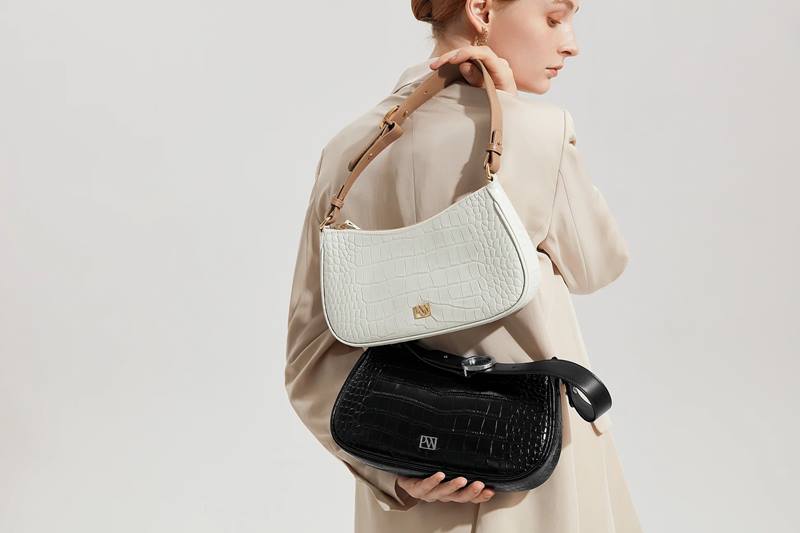
The quiet luxury movement remains one of the strongest fashion trends this year. Instead of oversized logos and flashy branding, buyers are now drawn to understated elegance and timeless craftsmanship.
Luxury shoppers are prioritizing:
- Neutral color palettes
- Minimalist designs
- High-quality leather
- Timeless silhouettes
- Versatile everyday bags
Brands that focus on subtle sophistication continue to gain popularity among modern consumers.
The Resale Market Keeps Expanding
The global luxury resale market is growing rapidly as more shoppers turn to secondhand platforms for authentic designer bags. Buyers appreciate the opportunity to purchase rare items, save money, and access sold-out collections.
Key factors driving resale growth include:
- Increased awareness of sustainable fashion
- Higher retail prices from luxury brands
- Demand for discontinued items
- Authentication technology improvements
- Social media influence
Many luxury bags now retain a significant percentage of their original retail value, especially iconic models from established fashion houses.
Limited Releases and Exclusive Drops Drive Demand
Exclusive product drops and limited releases continue to create strong hype within the luxury fashion community. Scarcity increases desirability, making certain handbags highly valuable immediately after release.
Luxury brands are using:
- Capsule collections
- Artist collaborations
- Seasonal exclusives
- Boutique-only releases
- Limited production runs
Collectors and resellers closely monitor these launches because high-demand pieces can quickly rise in resale value.
Social Media Continues to Shape Luxury Trends
Platforms like Instagram, TikTok, and Pinterest play a major role in shaping handbag trends. Celebrity fashion, influencer styling videos, and luxury unboxing content heavily impact consumer interest and purchasing decisions.
Trending bag styles often gain popularity through:
- Celebrity appearances
- Viral fashion videos
- Street style photography
- Luxury lifestyle content
- Influencer reviews
As digital fashion culture grows, brands with strong online visibility continue to dominate market attention.
Sustainability Is Becoming a Major Priority
Modern luxury consumers are paying closer attention to sustainability and ethical shopping practices. Many buyers now prefer timeless, durable products that offer long-term value instead of fast fashion alternatives.
The luxury industry is responding with:
- Sustainable sourcing
- Circular fashion programs
- Certified pre-owned services
- Eco-conscious packaging
- Longer product life cycles
This shift is helping strengthen the popularity of resale and vintage luxury bags worldwide.
Conclusion
The luxury handbag market continues to evolve through changing consumer behavior, investment-driven buying, and the rapid growth of resale culture. This year’s biggest trends highlight a strong focus on timeless value, exclusivity, sustainability, and quiet luxury aesthetics.
Whether you are a collector, investor, or fashion enthusiast, understanding these market trends can help you make smarter purchasing decisions and stay ahead in the ever-changing world of luxury fashion.